
What to do If your Personal Data has been compromised after a Romance Scam
 Author: Svenja Meismann, Member of the Board of Directors, World Association of Detectives
A romance scam rarely ends with financial loss alone. In many cases, victims also share personal information without realizing the long-term risks. This can include copies of ID documents, bank details, email access, or even sensitive personal conversations.
Once your personal data has been compromised, it can be used in many different ways. Scammers may attempt identity theft, open accounts in your name, or use your information for further fraud. The situation can feel overwhelming, but taking the right steps quickly may limit the damage.
1. Understanding Romance Scams and Scammer Tactics
Romance scams are a growing threat, targeting people through dating sites, social media, and messaging apps. Romance scammers create convincing fake identities—often using stolen photos or AI-generated images—to build emotional connections. Their ultimate goal is financial gain, often persuading victims to send money, share personal information, or provide access to sensitive accounts.
According to the Federal Trade Commission (FTC), millions of people fall victim to romance scams each year. Love scammers may spend weeks or months building trust before making requests. They often claim urgent needs, such as a medical emergency or being stranded abroad. Some even use AI to clone voices or produce fake videos.
Common warning signs of a romance scam include:
- Requests for money or gifts
- Reluctance to meet in person or have video calls
- Inconsistent stories about their life
- Professing love very quickly
- Requests for secrecy
If you suspect you’re involved in a romance scam, cease all contact immediately and report the incident to authorities.
To avoid falling victim to romance scams, individuals should be cautious of anyone who pressures them for money or personal information, especially if they have not met in person.
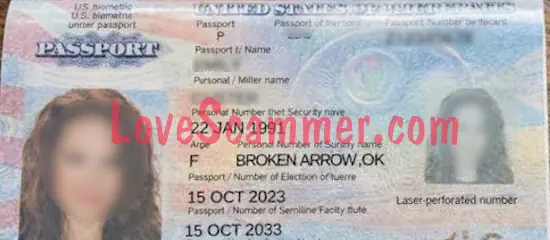
Stolen or fake passports are commonly used by scammers to build trust. If you suspect your identity documents have been misused, report it immediately.
The first step is clarity. Try to identify exactly what information the scammer may have received. In romance scams, this often happens gradually—small details shared over time that adds up.
Common types of compromised information include:
- Full name and date of birth
- Address and phone number
- Email account access
- Photos of identification documents
- Bank account information or credit card details
- Personally identifiable information (PII), such as your Social Security number
- Login credentials for online services
The level of risk depends on what was exposed. If financial data, PII, or identity documents were shared, stronger protective measures are necessary. If a company involved in the scam sends a breach notice, review it carefully—it often outlines what information was compromised and recommends next steps.
3. Act Immediately to Secure Your Accounts
Time matters. The sooner you act, the better your chances of preventing further damage.
Start by securing your most important accounts:
- Email accounts
- Online banking
- Payment services (e.g., PayPal, Venmo)
- Social media profiles
If love scammers gained access to your email, they may already be attempting to reset passwords on other platforms. Your email account is the key to everything else. Make sure your recovery options are still under your control.
Immediately stop all contact with the scammer and document all communications for evidence (screenshots, messages, payment receipts, profile details).
4. Change Passwords and Secure Access
Update your passwords as soon as possible, focusing first on accounts connected to money or sensitive data.
- Use strong, unique passwords for each account. Never reuse old passwords or use the same password across multiple platforms.
- Enable two-factor authentication (2FA) wherever available. This adds an extra layer of security and can stop unauthorized access even if your password is known.
- If you used the same login details across multiple platforms, change them everywhere.
For additional guidance, consult reputable online security resources.
5. Monitor Your Financial Activity
After a romance scam, financial monitoring becomes critical. Romance scammers may use stolen information to commit fraud or identity theft.
- Check your bank accounts and credit card statements regularly.
- Also review transactions from the past several months—scammers may have already tested your information with small unauthorized transactions.
- Look for small test charges, unusual withdrawals, or purchases from unfamiliar locations.
If you notice anything suspicious or detect unauthorized transactions, contact your bank or financial institution immediately to freeze accounts and potentially reverse fraudulent transactions.
6. Check Your Credit Reports
If your personal data has been compromised, your credit profile may be at risk.
In the United States, you can request free credit reports from the three major credit bureaus:
- Equifax
- Experian
- TransUnion
Review your reports carefully. Look for accounts, loans, or inquiries you do not recognize. Even a single unfamiliar entry can be a sign of identity misuse. If the company involved in the breach offers credit monitoring services, enrol in them promptly to receive alerts about changes in your account activity.
7. Place a Fraud Alert or Credit Freeze
If you suspect your identity may be used fraudulently, take preventive action.
- Fraud alert: Makes it harder for someone to open accounts in your name. Businesses must take extra steps to verify identity before issuing credit.
- Credit freeze: Provides stronger protection. Blocks new credit applications entirely unless you lift the freeze yourself.
Both options are effective. The right choice depends on your situation and how much information was exposed.

Stay alert. Fraudsters may reuse your personal data in new scams.
8. Watch for Signs of Identity Misuse
After a romance scam, problems do not always appear immediately. Stay alert over time.
Warning signs may include:
- You lose access to online accounts
- You receive unexpected bills or collection notices
- Financial institutions contact you about unknown activity
- Your credit score drops without explanation
- You are denied credit unexpectedly
These signs can appear weeks or even months later. Ongoing attention is important. Be especially wary of phishing scams that may follow—never provide sensitive personal information in response to unsolicited emails or phone calls.
9. Dealing with Multiple Data Breaches
If you’ve experienced more than one data breach, your risk of identity theft and financial fraud increases. In that case:
- Monitor your credit reports even more closely.
- Consider placing a credit freeze with each of the three major credit bureaus.
- Regularly review all financial accounts for unusual transactions.
- Remain vigilant for signs of identity theft, such as unfamiliar charges or accounts you didn’t open.
Taking these essential steps can minimize further risk and better protect your identity and credit.
10. Report the Incident to Authorities
Filing an official report can help protect you and others. In the U.S., consider reporting to:
- The Federal Trade Commission (FTC) at IdentityTheft.gov (you can also obtain a recovery plan here)
- The FBI’s Internet Crime Complaint Centre (IC3)
- Your local police department (note that their jurisdiction may be limited in international cases)
- The U.S. Secret Service, which investigates cybercrimes and threats to financial infrastructure
Save screenshots of all communications, payment receipts, and profile details as evidence for law enforcement. An official report also strengthens your case if you need to dispute fraudulent accounts or seek legal help later.
Important: Do not trust anyone who claims they can recover your money for a fee—this is a common follow-up scam.
11. Consider Your Legal Options
If your personal data was misused, you may have legal options depending on the situation. Legal action may help recover losses or hold responsible parties accountable.
Free or low-cost legal advice may be available through Legal Aid organizations in your state.
Document everything carefully:
- Communication with the scammer
- Financial transactions
- Account activity changes
Clear documentation strengthens your position if you decide to take further steps.
12. Take Back Control
Victims of romance scams often experience feelings of shame and betrayal, which can lead to emotional trauma and a sense of hopelessness. Recovering emotionally from a romance scam is a gradual process that requires patience and self-compassion as victims work through their feelings of loss and betrayal.
One of the most difficult aspects of a romance scam is the feeling of losing control—over your finances, your identity, and your privacy. Romance scammers exploit trust and emotional vulnerability. The impact can also affect family members and loved ones who feel betrayed or concerned.
Taking structured action helps you regain control step by step. You do not have to figure everything out on your own.
Emotional recovery is just as important as financial recovery. Many victims experience shame, betrayal, and hopelessness. Be patient and compassionate with yourself. Consider seeking professional help or therapy to cope with the emotional trauma. Support services—such as counselling, victim support organizations, or identity theft protection services—are available to help you detect further risks and support your recovery.
Taking action now can prevent further damage and help you move forward.
Secure Your Peace of Mind — Contact Us Today
Your information will not be shared with third parties unless you give explicit consent.
For more details, please refer to our Privacy Policy
By submitting this message, I confirm that I have read and understood the privacy policy and consent to the electronic processing of my personal data for the purpose of establishing contact.