
Romance Scams: What You Need to Know About Love Scammers
 Author: Svenja Meismann, Member of the Board of Directors, World Association of Detectives
What Is a Romance Scam or Love Scammer?
This guide shows you how romance scammers operate, the warning signs, what to do after a scam, and when to involve a private investigator.
A romance scam is an online fraud where criminals create fake identities to form a romantic connection with victims, solely to manipulate them into sending money or sharing personal information.
The scam follows a predictable pattern: rapid emotional bonding, excuses to avoid meeting in person or video chatting, and ultimately, a fabricated crisis requiring urgent financial assistance. It is a calculated crime of trust, designed to exploit the victim’s emotions for financial gain.
Where Do Online Romance Scams Happen?
Online romance scams can start almost anywhere you communicate or connect with people on the internet. Scammers create fake profiles, send unsolicited messages, and quickly try to move conversations to less moderated platforms where they can operate with fewer risks.
- Dating apps and sites (for example Tinder, Bumble, Match, OkCupid, Plenty of Fish)
- Social media platforms (Facebook, Instagram, Snapchat, TikTok, X/Twitter)
- Messaging apps (WhatsApp, Telegram, Google Chat, Viber, LINE)
- Email and SMS/text messages, including unsolicited “wrong number” or “hello beautiful” texts
- Online games and virtual worlds with chat functions (mobile games, console games, social gaming apps)
- Community forums, interest groups, and hobby platforms where users can send private messages
How Online Romance Scams Work in Real Life
Online romance scammers rapidly build a foundation of trust and exploit your emotions before you have time to doubt. Scammers create a believable identity, study your online profile, and mirror your interests to make the connection seem genuine and predestined. Once you’re emotionally invested, they steer the relationship toward secrecy and urgency and ultimately request money.
These scams typically begin with a fake profile that is convincing—often using stolen, model-quality photos and a backstory that has been carefully invented. Newer forms of romance fraud even use AI-generated profiles and voice cloning.
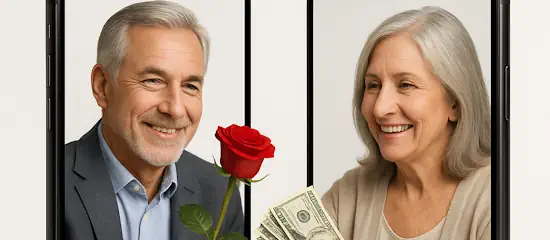
Scammers pretend to be in love, but their main goal is money.
The fraudster usually claims a profession that explains why they can’t meet in person, such as being deployed overseas in the military, working on an oil rig, traveling for business, or serving as a doctor in a remote area. This fabricated distance provides both a cover story and control.
The communication stage involves a calculated bombardment. You’re flooded with constant messages, affectionate language, and personal stories designed to make you feel uniquely cherished. This “love-bombing” creates a fast attachment and an illusion of reliability. However, when you suggest a video call or ask probing questions, the scammer evades the topic with excuses or dramatic, shifting stories.
Once the emotional bond feels unbreakable, the scam begins in earnest. The scammer creates a crisis, such as a medical emergency, a stolen wallet, a stranded family member, or unexpected legal fees.
The story is always urgent, and the scammer promises to repay you as soon as possible. They pressure you to act immediately, exploiting your concern to override your better judgment.
In reality, this pattern is ruthlessly consistent: accelerated intimacy, emotional manipulation, financial demands, and perpetual excuses. Scammers reuse this blueprint because it preys on human nature so effectively. Understanding this step-by-step playbook is one of your most powerful tools for self-protection.
Read the true reader report about a romance scam case.
Common Romance Scams & How They Work
While the stories vary, all romance scams follow the same ruthless blueprint: a fake identity, accelerated intimacy, and a manufactured financial crisis. Scammers often adopt specific, high-stakes roles to explain why they can’t meet and to make their eventual requests for money seem plausible. Recognizing these common narratives is key to seeing through the deception.
1. The Military Romance Scam
The fraudster poses as a deployed soldier or UN-doctor. They exploit the inherent secrecy and logistical challenges of military life to justify avoiding contact and to fabricate urgent financial needs related to their service, such as funds for secure communication or medical leave.
Learn more in our detailed guide: Military Romance Scam
2. The Offshore Professional Scam
Here, the scammer claims to be a doctor, engineer, or contractor on an oil rig, mine, or hospital in a remote location. The isolation naturally justifies sporadic communication and inability to meet. The crisis often involves a workplace accident, a broken piece of equipment, or sudden travel costs to return home, prompting an urgent plea for financial help.
Learn more in our detailed guide: Oil Rig Romance Scammer.
3. The Entrepreneur in a Bind
This scammer presents as a successful business owner or investor caught in a temporary, cash-flow problem. They describe a lucrative deal held up by customs fees, a tax payment, or a frozen bank account, promising generous repayment or a share of profits. The story is designed to sound like a short-term loan or a shrewd investment, not a gift.
4. The Stolen Identity Scam
This scheme relies entirely on fabricated profiles using stolen, attractive photos from the internet. The emotional connection is built through intense messaging and curated images, but any request for real-time verification (a live video call, a specific photo) is met with technical excuses, evasion, or offense.
The Consistent Hook: The Fabricated Crisis
Regardless of the role, the final act is always a sudden, urgent problem that only you can solve. Common lies include:
- Medical emergencies for themselves or a family member.
- Funds being stuck due to bank issues, taxes, or customs fees.
- Travel tickets or documents they cannot afford.
- Threats or fines from employers or local authorities requiring immediate payment.
The pressure to act quickly is intentional, aiming to bypass your logical judgment. Understanding these patterns allows you to pause and recognize the scam before the financial demand is made.
Signs of Romance Scams You Should Never Ignore
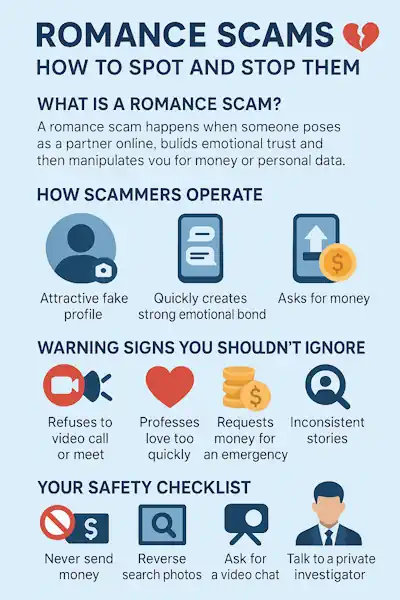
The biggest red flag in a romance scam is when someone you’ve never met in person asks for money. No matter how caring, devoted, or trustworthy they seem, this request is the ultimate warning sign that you must not ignore.
Scammers often rush the relationship. They profess intense feelings within days—or even hours—and insist that your bond is “special” or “fated.” If you suggest a video call, they’ll make excuses to avoid it: a broken camera, poor internet, or strict workplace rules. Their communication is often intense and constant, designed to captivate your attention and control your emotions.
Inconsistency is another glaring warning sign. Watch out for stories that don’t add up, overly polished photos, mismatched time zones, and sudden, urgent emergencies. Many scammers claim to work in high-status overseas roles, such as military personnel, doctors, engineers, or offshore workers, who “can’t meet right now.” This fabricated distance gives them control and keeps the relationship on their terms.
If you notice multiple red flags, assume you’re dealing with a scammer. Trust your gut. Genuine relationships develop over time, but scams move quickly because the fraudster wants to get your money before you discover the truth.
The Alarming Scale & Lasting Damage of Romance Scams
Romance scams are not merely deceitful—they are a devastating and pervasive form of financial and emotional theft.
The numbers are staggering: according to the FBI’s Internet Crime Complaint Center, reported losses in the United States alone surpassed $672 million in 2023, with nearly 18,000 victims (Source: FBI IC3 Annual Report 2024 PDF).
The U.S. Federal Trade Commission has reported similar patterns, with annual losses reaching into the billions. The same patterns are reported by Australia’s Scamwatch, which maintains continuously updated national scam statistics.
Beyond the financial ruin, the true danger lies in the profound emotional and psychological harm. Scammers are expert manipulators who don’t just steal money; they systematically destroy trust, create intense emotional dependency, and often leave victims grappling with deep shame, grief, and isolation.
This calculated erosion of a person’s well-being makes romance scams one of the most damaging forms of online fraud. Understanding this dual impact—the immense scale and the personal devastation—highlights why awareness and early recognition are critically important.

Scammers often send fake certificates and IDs to appear legitimate; these documents are almost always forged or stolen.
Scammers make up compelling stories
Scammers know that the best way to make someone fall in love quickly is by telling them make-believe stories.
These storylines are recycled across thousands of victims worldwide.
- Their funds are stuck in an offshore bank and they urgently need money to pay for medical bills.
- They are stuck on a boat, an oil rig or a military camp and have to pay a customs duty to ship a parcel or a box.
- Need money to pay off gambling debts.
- They have got or found gold, which they must bring out of a foreign country.
- They have a great investment or business opportunity that can be good for both of your futures.
- They require funds for a plane ticket.
According to the U.S. Federal Trade Commission (FTC), romance scammers often combine emotional manipulation with fake emergencies or investment offers to pressure victims into sending money. In 2022 alone, the FTC recorded more than $1.3 billion in reported losses from romance scams, making it one of the most damaging forms of online fraud.

Scammers often pose as soldiers who are stationed overseas.
How to Protect Yourself from Romance Scammers
The most important rule is to verify before you trust. Treat any online contact who avoids video calls, rushes intimacy, or mentions financial problems with extreme caution from the start.
Start by slowing things down. Scammers thrive on urgency and fast-paced relationships. By deliberately taking your time, you throw off their rhythm. Early on, politely insist on a brief live video chat—a genuine person will understand. Repeated excuses, cancellations, or outright refusal are glaring red flags.
Conduct your own checks. Use a reverse image search on their profile pictures. Scammers often steal photos from stock image sites, social media, or military tribute pages. Pay close attention to inconsistencies in their stories, such as timelines that don’t add up, professions that don’t align with their claimed location, or details that change.
Never send money or financial information. No matter how convincing the emergency is—whether it’s a medical crisis, a stranded family member, or a frozen account—a real romantic partner would never ask someone they’ve never met for money. This includes wire transfers, gift cards, cryptocurrency, and sharing login details. Legitimate problems aren’t solved by funds from a new online acquaintance.
Guard your personal information. Be careful about what you share, even in deep conversations. Scammers collect details about your job, family, daily routine, and past vulnerabilities to build false trust and later exploit you emotionally or financially.
Above all, trust your instincts. If you feel pressured, confused, or sense that something is “off,” stop interacting with them. Romance scams rely on emotional manipulation, so your instincts are a critical early warning system. When in doubt, talk to a trusted friend or family member, or contact organizations like the FTC. Protecting yourself starts with prioritizing your safety over the potential for a relationship.
Essential Online Dating Safety Rules
The presence of scammers online doesn’t mean you can’t form genuine connections—it simply means staying informed is key. Dating platforms are designed to help people connect, but your safety depends on applying consistent, practical safeguards.
By adopting these fundamental rules, you can significantly reduce your risk and focus on building authentic relationships with confidence.
Tips to avoid online scams:
- Do not accept friend requests on social media from people who you do not know.
- Limit the amount of personal information you share on your social media sites or dating profile.
- Limit how much personal details you share with someone you just met online.
- Be wary of early professions of love.
- Pay attention to the little details like, if they always refuse to do a Skype video call or if they always come up with an excuse when you want to meet.
- Make sure to ask as many questions as you can to get to know the person.
- Ask for more pictures other than the one on their profile and also cross-check the picture with a reverse image search to make sure that it isn’t stolen.
- Ask for phone calls and video calls.
- Double check their story. Are there any warning signs that it’s a scam?
If they ask for money, do not immediately send it to them. Talk to someone about it. Seek their advice. If in doubt, ask one of our team investigators.
- Never send money, gift cards, cryptocurrency, or payment codes to someone you haven’t met in person.
- Never share copies of your passport or ID. Scammers often use these documents for identity theft.
- Don’t let someone transfer money into your account and ask you to forward it. This is a common way scammers involve victims in money laundering without their knowledge.
- Avoid sending intimate photos. Scammers frequently use them for blackmail or emotional pressure.
These rules are simple, but they protect you from the most common tactics scammers use.
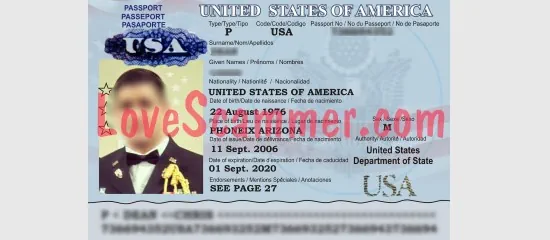
Scammers send stolen or faked passports to prove that they are real. Do not send your passport ➔ scammers will use every information that they have against you.
Already Sent Money? What to Do After a Romance Scam
Step 1: Cease All Contact Immediately
The single most critical action is to stop all communication. Scammers are master manipulators who will use any response to intensify pressure, invent new crises, or extract more money. Block their number and profile. This step halts further financial loss and begins to break the emotional hold they have established.
Step 2: Secure Your Financial & Digital Accounts
Act quickly to protect your assets and identity.
- Contact Your Bank/Firm: Call your bank, credit card company, or payment app (like PayPal, Venmo, or Zelle) immediately. Report the transaction as fraud. While recovery is not guaranteed, they may be able to reverse a transfer, stop a payment, or secure your account.
- Lock Down Your Online Security: Change passwords for your email, banking, and social media accounts, especially if you shared any personal details. Enable two-factor authentication everywhere possible.
Step 3: Document Everything
Gather all evidence systematically. Save screenshots of:
- The scammer’s profile, photos, and username
- Your full message history
- All details of financial transactions (dates, amounts, recipient info, reference numbers)
- Any emails or documents they sent
This documentation is essential for reporting the crime and for any financial institution investigations.
Step 4: Report the Crime to Authorities
Reporting is crucial for accountability and prevention.
- In the U.S.: File a report with the Federal Trade Commission (FTC) at ReportFraud.ftc.gov and with the FBI’s Internet Crime Complaint Center (IC3) at ic3.gov.
- On the Platform: Report the fraudulent profile to the dating app or social media site where the contact began.
- Locally: Consider filing a report with your local police department, especially if a significant sum was lost. Provide them with your collected evidence.
Step 5: Seek Support and Protect Your Well-being
Romance scam victims often experience profound shame, grief, and betrayal. You are not alone, and this was a calculated crime, not your failure.
- Confide in Someone You Trust: Speak with a friend, family member, or counselor.
- Consider Professional Guidance: If you are struggling to verify the scammer’s identity or navigate the aftermath, a licensed private investigator can help provide clarity and closure.
- Be Kind to Yourself: Recovery is a process. Allow yourself to grieve the loss, both financial and emotional, and recognize that you were targeted by a professional criminal.
Get Help from a Private Investigator Before It’s Too Late
If you have doubts about someone you’re talking to online, the most important thing you can do is seek independent verification before suffering greater financial or emotional harm.
Romance scammers are experts at creating believable illusions that can trap even the most cautious individuals. A professional investigator can provide the clarity and evidence you need to make a safe, informed decision.
Our firm specializes in exposing online romance scams. We discreetly uncover fake identities, trace stolen photos to their source, and verify a person’s story and background. We conduct our investigations without alerting the subject, ensuring your safety while we gather the facts.
Don’t ignore your instincts. That feeling that something isn’t right is often your best defense. You deserve transparency and peace of mind. Whether you’re just starting to suspect something, have already sent money, or simply need to confirm someone’s identity, we can uncover the truth and help you prevent further damage.
You shouldn’t face this uncertainty alone. We support clients worldwide. Contact us for a confidential consultation. We provide definitive answers, discreet professional investigations, and the support you need to regain control and move forward with confidence.
Secure Your Peace of Mind — Contact Us Today
Your information will not be shared with third parties unless you give explicit consent.
For more details, please refer to our Privacy Policy
By submitting this message, I confirm that I have read and understood the privacy policy and consent to the electronic processing of my personal data for the purpose of establishing contact.
Frequently Asked Questions (FAQs)
Q: What exactly is a romance scam?
A: A romance scam is a form of fraud where a criminal creates a fake online identity to form a romantic or emotional connection with a victim. Their ultimate goal is to gain trust and manipulate the victim into sending money, often by fabricating a crisis or urgent need.
Q: What is the number one sign of a romance scammer?
A: The single biggest red flag is a request for money from someone you have never met in person. This request is often preceded by a fast-moving, emotionally intense relationship and excuses to avoid video calls or in-person meetings.
Q: How can I verify if someone I met online is real?
A: Insist on a live video chat early in the conversation. A legitimate person will usually agree. You can also perform a reverse image search on their profile pictures to see if they appear elsewhere online under a different name. If they refuse or make consistent excuses, it’s a strong indicator of a scam.
Q: I’ve already sent money. What should I do now?
A: 1. Stop all contact immediately and block the scammer. 2. Contact your bank or payment service right away to report the fraud—they may be able to reverse the transaction or secure your account. 3. Document everything (screenshots, messages, transaction details). 4. Report the scam to the FTC (ReportFraud.ftc.gov) and the relevant dating platform.
Q: Why can’t I just get my money back?
A: Romance scammers often instruct victims to send money via irreversible methods like wire transfers, gift cards, or cryptocurrency. Once sent, these funds are nearly impossible to recover, which is why scammers favor them. While reporting to authorities is crucial, victims should be prepared that full financial recovery is unlikely.
Q: I feel embarrassed and ashamed. Is this normal?
A: Absolutely. Scammers are skilled professionals who exploit human emotions like trust and compassion. Feeling ashamed is a common reaction, but it’s important to remember that you are a victim of a calculated crime. Seek support from trusted friends, family, or professional counselors—you are not alone.
More related articles: